Hair loss can affect day-to-day comfort more deeply than many expect. With modern solutions becoming increasingly advanced and natural-looking, the question many people now ask is whether a non-surgical approach or a permanent surgical route is the better choice. Understanding the distinctions between hair replacement systems and hair transplant procedures helps you choose an option that feels right for your lifestyle, goals and comfort level.
Non-surgical solutions such as hair wigs or replacement systems have become far more sophisticated over recent years, offering natural movement and personalisation that rival traditional methods. At the same time, surgical transplants have improved in technique and precision. Both aim to restore a fuller look, yet they differ in process, commitment and overall experience.
Below are five key differences to guide your decision.
1. Procedure And Level Of Invasiveness
The most significant difference lies in whether the method is surgical or non-surgical. Hair transplants involve taking donor follicles from one part of the scalp and implanting them into thinning or balding areas. This is a surgical procedure that requires local anaesthesia, specialised equipment and a trained surgeon. Although results can be long-lasting, the process places stress on the scalp, and recovery can take days or weeks, depending on the technique used.
Hair replacement, on the other hand, does not involve surgery of any kind. Modern systems use a breathable, natural-looking base that integrates with your existing hair. There is no need for incisions or healing time. This makes the experience far more comfortable, with minimal interruption to your day-to-day routine. For individuals who prefer a non-invasive option or are not suitable candidates for surgery, non-surgical replacement offers a reliable and immediate alternative.
2. Suitability And Candidacy
Not everyone qualifies for a hair transplant. Successful transplants require a strong and healthy donor area at the back or sides of the scalp. Those with advanced hair loss, certain medical conditions, extremely thin donor hair or scarred tissue may not achieve the results they hope for. Age and long-term stability of hair loss are also factors surgeons consider before approving the procedure.
Hair replacement systems are far more inclusive. Because the solution does not rely on donor follicles, it works for almost everyone, regardless of the degree of hair loss, hair type or medical history. This also makes it suitable for individuals undergoing chemotherapy, experiencing alopecia or facing sudden hair thinning. The flexibility in styling, density and colour ensures that the final look fits both personal preference and lifestyle without the limitations imposed by surgery.
3. Timeframe For Visible Results
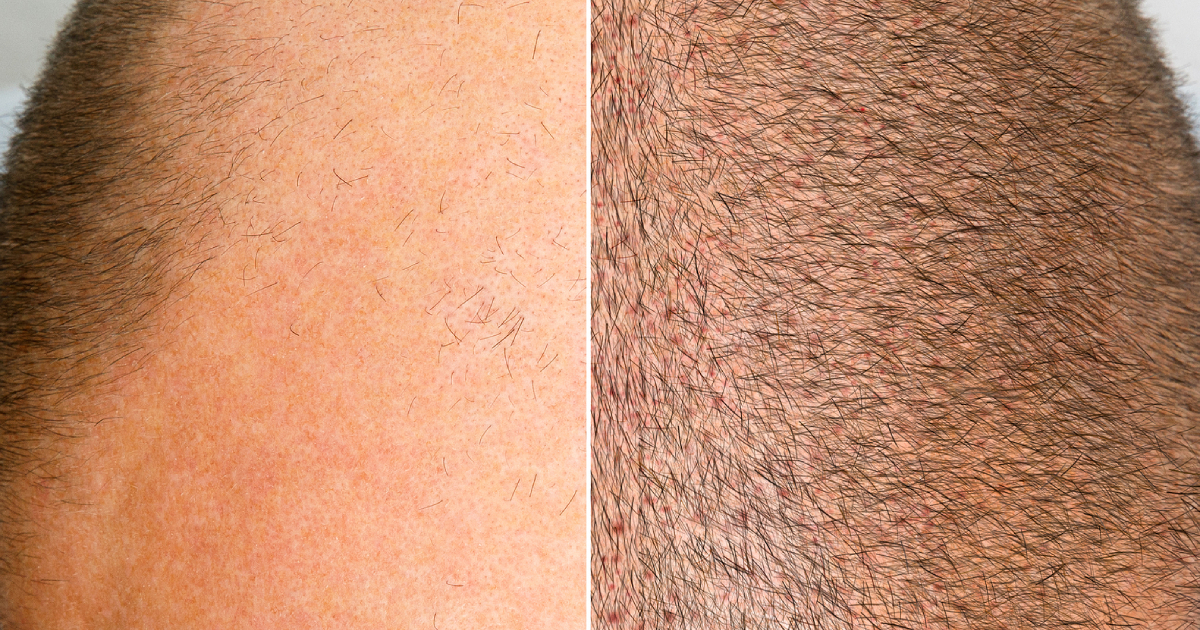
Waiting time is another key distinction. After a hair transplant, results do not appear immediately. Newly implanted follicles often shed within the first few weeks before entering a resting phase. Noticeable growth may take three to six months, with full results sometimes requiring a year or longer. Patience is essential, since the transformation is gradual.
Hair replacement systems offer instant change. Once fitted and customised, the improvement in volume and appearance is immediate. This benefits anyone who wants a quick transformation for work or social events. Because there is no healing phase, the results remain consistent from the moment the system is applied.
4. Maintenance And Long-Term Care
Maintenance expectations differ between the two options. After a transplant, once the follicles take root and grow naturally, maintenance is relatively straightforward. However, this assumes the procedure is successful and the new hair grows as intended. Additional treatments may occasionally be needed to enhance density or fill in remaining thin patches.
Hair replacement systems require regular upkeep to keep them secure, clean and natural looking. Routine appointments ensure the base sits comfortably on the scalp and blends seamlessly with your real hair. Many people appreciate this ongoing support, as it guarantees that their hair always appears its best. The maintenance schedule is predictable and allows for easy adjustments in length, colour or style over time.
5. Cost And Overall Value
Costs vary greatly depending on the technique, clinic and complexity of treatment. Hair transplants often require a significant upfront investment, and some individuals may need multiple sessions to achieve their desired density. While the results may be permanent, the high cost and recovery period can make this option less accessible.
The cost of hair replacement systems is typically lower, although they do involve ongoing maintenance fees. Many individuals prefer paying in manageable intervals rather than committing to one large surgical investment. The ability to customise the system and adjust the style over time also adds value, especially for those who enjoy flexibility.
Both solutions come with financial considerations, but the right choice depends on your personal goals. Some prioritise permanence, while others value comfort, styling freedom and immediate results.
Choosing What Fits Your Lifestyle
Selecting between hair replacement and hair transplant solutions is a personal decision that should reflect your level of comfort, your expectations and your daily routine. Those who want a quick, natural-looking transformation without medical procedures often lean towards non-surgical systems. Those who prefer a permanent approach and meet the necessary health criteria may consider transplantation.
Quality of life plays a central role in the choice. If you value versatility, ease and the option to adapt your hairstyle whenever you like, non-surgical replacement offers clear benefits. If you prefer a long-term surgical route and are ready for a longer wait time, a transplant might suit you better. Neither is inherently superior; the better option is simply the one that aligns with how you want to feel and live.
Final Thoughts
Understanding the differences between non-surgical hair replacement and surgical hair transplants helps you make an informed decision with confidence. Each option has strengths, and the most suitable choice depends on your expectations, comfort level and personal lifestyle.
If you are exploring natural-looking, fully customised hair replacement solutions that offer comfort and flexibility, you can learn more or book a consultation directly with SG Hair Replacement.